
Alexandria Travel Guide: What to See, Do & Plan
Quick orientation: Alexandria at a glance
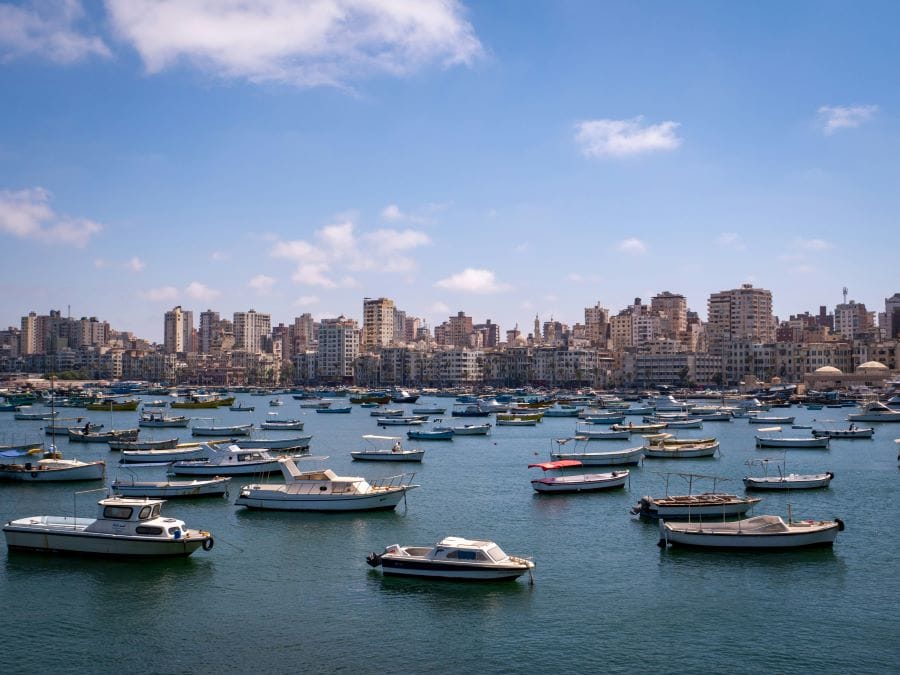
Alexandria sits along Egypt’s Mediterranean coast, stretching west and east from its historic harbor. It feels very different from Cairo at first glance—cooler breezes, a slower rhythm in many neighborhoods, and a long waterfront corniche where daily life plays out beside the sea. Founded in antiquity and shaped by centuries of trade and migration, the city blends Egyptian traditions with Mediterranean influences in its architecture, food, and social life.
Many travelers use Alexandria as a short break from Cairo, while others base themselves here to explore the coast. It works well as a standalone destination for a few days or as part of a broader Egypt itinerary.
Climate and seasons (plain and practical)
Alexandria’s coastal location gives it a milder climate compared to inland cities.
Winter: Cooler and sometimes windy, especially near the sea. Good for sightseeing and walking along the corniche.
Spring: Comfortable temperatures and lively streets. A popular time for domestic travel.
Summer: Hot and humid, but sea breezes help. Beaches and evening outings become the focus.
Autumn: Calm, pleasant weather with fewer crowds, especially after summer holidays end.
Rain is uncommon but more likely here than in other parts of Egypt, mainly in winter.
Culture and everyday life
Alexandria feels local and lived-in. Cafés are busy at all hours, families gather along the waterfront, and seafood restaurants fill up quickly in the evenings. Hospitality is warm but informal; people are generally helpful without being intrusive.
Arabic is the main language, but English is commonly understood in hotels, cafés, and tourist-facing businesses. The city has a long tradition of openness due to its trading history, which still shows in daily interactions and food culture.
What travelers come for
Alexandria attracts visitors for reasons that differ from much of Egypt:
Seaside atmosphere: Long walks, cafés facing the water, and relaxed evenings.
History: Greco-Roman sites, museums, and landmarks tied to ancient learning and trade.
Food: Some of the country’s best seafood, simple grills, and casual local eateries.
Urban life: A chance to see how Egyptians live day-to-day in a major coastal city.
It’s less about monumental sightseeing and more about atmosphere, food, and rhythm.
Planning basics
Getting there
Alexandria is well connected by road and rail from Cairo. Trains are a common and practical option, while buses and private transfers are also widely used.
Getting around
Taxis and ride-hailing apps are common. For short distances, walking along main streets and the corniche is easy, though sidewalks can be uneven in places.
Money and payments
Cash is still widely used, especially in small cafés and local restaurants. Cards are accepted in hotels, malls, and larger venues.
Dress and etiquette
Dress is casual but modest by international standards. Beachwear is common in resort areas, while city neighborhoods are more conservative. Simple courtesy and patience go a long way.
Experiences by interest
History and culture
Alexandria’s heritage reflects multiple eras. Museums, ancient ruins, and restored landmarks tell the story of the city’s intellectual and commercial past without overwhelming visitors.
Food and cafés
Seafood dominates menus—grilled fish, shrimp, and simple rice dishes. Coffee culture is strong, with old cafés sitting alongside modern spots.
Family travel
The city suits families looking for a relaxed pace, seaside walks, and easy dining options without long travel times between attractions.
Beaches and relaxation
While city beaches are busy in summer, nearby coastal areas offer quieter alternatives. Many visitors enjoy short trips outside the city for swimming and day use.
Neighborhoods and areas to know
Alexandria is spread out, and neighborhoods vary in character:
Corniche areas: Central waterfront zones with cafés, hotels, and public spaces.
Historic districts: Older streets with markets, mosques, and local life.
Modern neighborhoods: Residential areas with malls, restaurants, and services.
Where you stay affects your experience, especially if you prefer walking versus short drives.
Alexandria as part of a wider Egypt trip
Alexandria pairs naturally with Cairo, offering contrast after the capital’s intensity. Some travelers continue south to historical destinations, while others head east toward the Red Sea for beach and diving experiences.
Responsible and respectful travel
Respect public spaces, especially along the waterfront.
Ask before photographing people.
Support local cafés and small businesses where possible.
Be mindful of noise and litter in residential areas.
Where to go next
From Alexandria, many travelers continue exploring Egypt through nearby or contrasting destinations:
[Cairo page]
[Giza page]
[Luxor page]
[Aswan page]
[Hurghada page]
Each offers a different perspective on the country’s geography and culture.
A calm way to plan your visit
Alexandria works best without rushing. Choose a few neighborhoods, spend time by the sea, and let the city’s pace guide you. From there, explore other cities based on your interests—history, coast, or everyday urban life.