
Cairo Travel Guide: What to See, Do & Plan
Quick orientation: Cairo in context
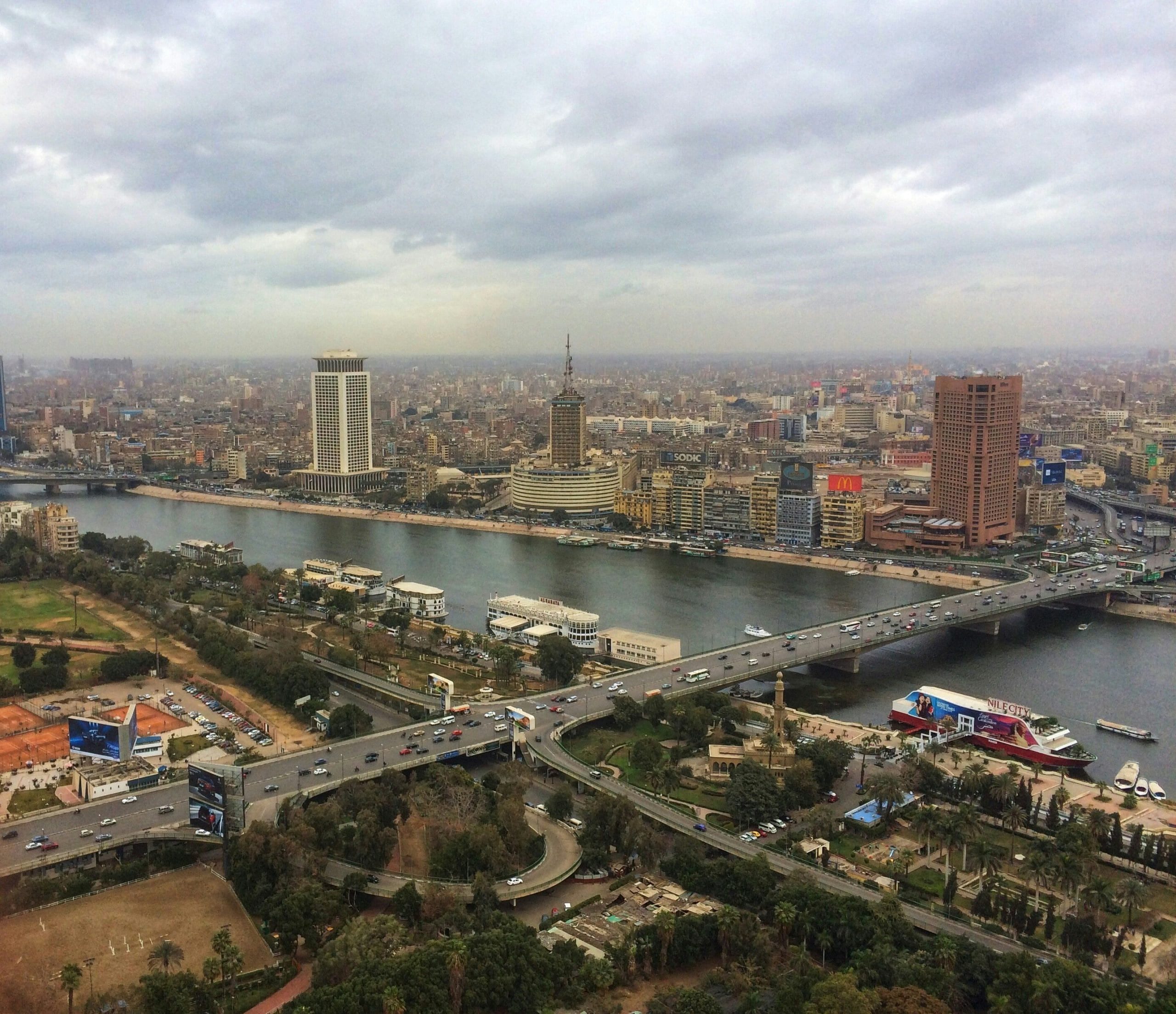
Cairo is Egypt’s largest city and one of the most complex, intriguing urban centers in North Africa and the Middle East. Built where the Nile spreads wide into the Nile Delta, the city blends ancient roots with everyday energy. Travelers often find Cairo to be a mix of living history, bustling neighborhoods, and cultural crossroads.
Cairo’s pace is familiar to anyone who has visited a big modern city: busy streets, layered neighborhoods, lively markets, and wide boulevards. And yet, within a short distance you can walk into centuries-old alleys, historic mosques, and open spaces that feel like an introduction to Egypt’s long story.
Where Cairo sits on the map
Cairo serves as a gateway to Egypt’s legendary past and its lively present. Many people arrive here first — whether flying into the international airport, arriving by road from other cities, or following the Nile’s long course.
For planning purposes:
The city centre sits on the east bank of the Nile.
Giza, part of Greater Cairo, is home to the famous pyramids.
The Nile splits and reconnects through the metro area, shaping districts that feel like small cities within a larger city.
Because Cairo is large and lively, you’ll want to approach your time here with both curiosity and a bit of structure — it rewards pacing.
Culture, neighborhoods & everyday life
Cairo is not a museum city; it’s a city people live in. Morning traffic, tuk-tuks and rideshares weave through streets, conversations happen over coffee in shaded cafés, and evening strolls bring families and friends together around food and social time.
Urban rhythm
Downtown is Sa’id-influenced and full of heritage buildings alongside shops and cafés.
Islamic Cairo feels like stepping back into historic winding streets, mosques, and carved alleyways.
Zamalek and Garden City blend quieter residential life with creative dining and gallery spaces.
Giza brings you close to iconic ancient sites, yet it’s part of the greater urban fabric.
Because the city feels large, many travelers choose a base neighbourhood and explore outward rather than trying to “see everything in one day.”
What travelers come for
Cairo covers a wide range of interests, but certain themes stand out:
History & heritage
The biggest draw for many visitors is Cairo’s proximity to world-famous sites:
The Pyramids of Giza
The Great Sphinx
Museum collections that trace Egypt’s deep history
These places are often visited with early starts to avoid midday crowds and heat.
Local markets & street life
Markets such as Khan el-Khalili offer a sensory experience: intricate metalwork, textiles, spices, and sweets. Even if browsing rather than buying, these neighbourhoods give context to daily life and craft traditions.
Nile views & urban calm
Walks along the Nile Corniche or ferry rides at sunset reveal a different side of the city — quieter, slower, and centered on family time and social rhythm.
Food & cafés
Cairo’s food culture ranges from casual street snacks to elegant dining. Serving everything from ful medames and koshari to more cosmopolitan menus, local eateries show how daily life tastes here.
Planning essentials for Cairo
This guide offers practical, timeless tips that help you plan without requiring current dates or prices.
Entry & documents (general guidance)
Cairo is widely connected by air. Visitors typically arrange entry requirements in advance through official channels or at designated points of arrival based on nationality.
Getting around
Within Cairo, a mix of transport options exists:
Metro lines help avoid surface traffic during rush hours.
Rideshare apps and taxis are common for shorter distances.
For key heritage areas, organized transport services or guided tours can reduce navigation stress.
Because Cairo’s streets carry a lot of activity, pairing neighborhood walking with shorter rides helps balance convenience with discovery.
Money & payments
Cash is commonly used for smaller purchases, market vendors, cafés, and tipping. Credit cards are accepted in many hotels and larger restaurants, but having small denominations of local currency simplifies daily transactions.
Connectivity
Mobile and internet connectivity is widespread. Many visitors use local SIMs or eSIMs for data, especially if they plan navigation or messaging during the trip.
Comfort & pacing
Cairo can feel energetic. To make the most of your time:
Break up long museum or site visits with food or rest stops.
Take shaded or covered routes during hot hours.
Plan outdoor heritage time for mornings and late afternoons.
Experiences by interest
Depending on what draws you to Cairo, you may build your itinerary around specific themes.
History enthusiast
Cairo’s historic core includes layers of time:
Almost every district has architectural traces of old dynasties.
Museums and monuments are rich in artifacts and narratives.
Walkable historic quarters reveal daily life across eras.
Family travel
With a big city comes diversity in activities:
Parks and calm riverside areas give kids space.
Museums often include interactive exhibits.
Meals can be both child-friendly and culturally engaging.
Urban food & culture
Cairo is a good base to explore:
Egyptian staples at neighbourhood cafés
Cultural evenings at live music venues
Fusion cuisine in evolving food scenes
Wellness & relaxed routines
If your trip involves calm days:
Choose a neighbourhood base
Walk leafy boulevards or riverside paths
Visit smaller galleries and cafés between major sites
Cairo districts & what they offer
These neighborhood areas each have their own character:
Downtown Cairo
A walkable district with heritage architecture and museums. Well-connected with surface transport.
Islamic Cairo
History comes alive in streets, markets, and mosques.
Zamalek
A calmer, greenery-lined island in the Nile with cafés and gallery spaces.
Giza Plateau area
Home to the Pyramids — often part of day trips from central Cairo.
Maadi & Heliopolis
Residential, quieter options that still connect easily to main sites.
Nearby additions worth considering
Many visitors pair Cairo with nearby experiences:
Giza pyramids — a short ride from the city center
Saqqara & Memphis — older sites with pyramid complexes
Nile cruise routes — if your trip includes travel south
For each of these, you’ll find expanded information on the respective city or destination pages.
Responsible travel & respectful behaviour
Cairo is full of life — and most locals appreciate visitors who show simple respect in daily interactions.
Respect local rhythms
Engage with vendors and guides with friendliness and patience.
Be observant of posted rules in heritage sites.
Treat neighbourhood streets as living spaces, not just tourist routes.
Environment & heritage care
Dispose of waste thoughtfully.
Avoid climbing on heritage structures or crossing into restricted areas.
Choose services that uphold safety and sustainability.
Where to go next
Explore these city and destination pages to build your itinerary:
[Giza page] — pyramids, Sphinx and wider plateau area
[Alexandria page] — coastal ambience and Mediterranean heritage
[Luxor page] — temples, tombs and the Nile’s east bank
[Aswan page] — river views, islands and ancient sites
[Hurghada page] — Red Sea coast and beach time
[Sharm El Sheikh page] — diving and seaside stays
[Dahab page] — relaxed Red Sea town vibes
[Siwa Oasis page] — desert escape in the west
Each of these pages will help you refine your route based on your interests, pace, and travel goals.