
Luxor Travel Guide: Temples, Tombs & How to Plan Your Visit
Quick orientation: Luxor in context
Luxor lies in southern Egypt along a calm stretch of the Nile, where ancient Thebes once stood as the heart of a powerful civilization. Today, Luxor is often described as an open-air museum, but it is also a working city with neighborhoods, markets, farms, and daily life unfolding around some of the world’s most important archaeological sites.
Unlike Cairo or Alexandria, Luxor feels slower and more spacious. Many travelers come here specifically to focus on history, spending several days exploring temples, tombs, and river landscapes at an unhurried pace.
Geography and layout
The Nile divides Luxor into two main areas:
East Bank: Home to Luxor Temple, Karnak Temple, most hotels, restaurants, and transport connections.
West Bank: Known for tombs, temples, and agricultural villages, including the Valley of the Kings.
Crossing between the two sides is part of the Luxor experience, whether by bridge, boat, or organized transport.
Climate and best times to visit
Luxor’s desert location means clear skies and strong sunlight for most of the year.
Winter: Comfortable for walking and extended site visits.
Spring: Warm and generally pleasant, though temperatures can rise quickly.
Summer: Very hot during midday; early mornings and late afternoons are essential.
Autumn: Gradually cooler, with excellent light and fewer crowds.
Because many sites are outdoors, planning your daily schedule around the sun makes a big difference.
What travelers come for
Temples and monuments
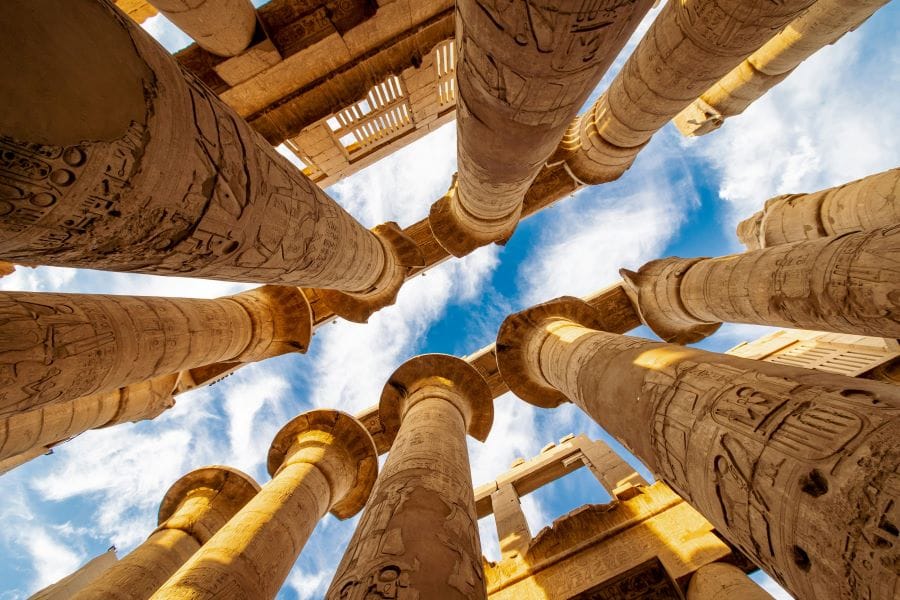
Luxor is known for monumental architecture on a scale rarely seen elsewhere:
Karnak Temple Complex
Luxor Temple
Large ceremonial avenues and courtyards
These sites are best explored slowly, allowing time to understand their layout and symbolism.
Tombs and valleys
On the West Bank, travelers visit:
The Valley of the Kings
Nearby burial grounds and mortuary temples
The tombs offer a more intimate experience compared to open temples, with detailed artwork preserved in enclosed spaces.
The Nile and landscapes
The river shapes daily life in Luxor. Felucca rides, riverside walks, and quiet viewpoints provide a peaceful contrast to the intensity of archaeological exploration.
Planning basics for Luxor
Getting to Luxor
Luxor is reached by:
Domestic flights
Train routes connecting to Cairo and Upper Egypt
Nile cruise itineraries
Each option suits different travel styles and schedules.
Getting around
Most visitors move between sites using:
Taxis or private drivers
Organized tours
Bicycles or walking in quieter areas
Distances between major sites are manageable, but heat and sun exposure should be considered.
Money and services
Cash is widely used for small purchases, tips, and local services. Hotels and larger restaurants accept cards, but carrying small denominations is practical.
Dress and comfort
Light clothing, hats, sunscreen, and comfortable shoes are essential. Modest dress is appreciated in villages and local neighborhoods, especially on the West Bank.
Experiences by interest
History and archaeology
Luxor is ideal for travelers who want to immerse themselves in ancient Egypt. Spending time with guides, museum displays, or self-guided research adds depth to each site visit.
Photography and art
The combination of architecture, light, and landscape makes Luxor especially appealing to photographers. Early mornings and golden-hour light highlight carvings and columns beautifully.
Slow travel and reflection
Many visitors appreciate Luxor for its quiet moments—sunrise over the Nile, village paths, and evenings by the river.
Family travel
Luxor works well for families when visits are paced carefully. Short site visits mixed with rest, shade, and river time keep days enjoyable.
East Bank vs West Bank: choosing where to stay
East Bank
Central location
Close to Luxor and Karnak Temples
More dining and accommodation options
West Bank
Quieter, rural feel
Close to tombs and valleys
Ideal for travelers seeking calm and scenery
Your choice affects daily logistics and the rhythm of your stay.
Luxor as part of a wider Egypt itinerary
Luxor often fits into longer routes that include:
Cairo and Giza, for urban history
Aswan, for river scenery and southern culture
Red Sea cities, for rest after cultural exploration
Some travelers connect Luxor and Aswan by Nile cruise, while others prefer overland travel.
Responsible and respectful travel
Luxor’s heritage sites require care and awareness.
Follow site rules and signage
Avoid touching wall paintings or carvings
Respect local communities near archaeological zones
Support responsible guides and services
Protecting these sites ensures they remain accessible for future generations.
Where to go next
After Luxor, many travelers continue to:
[Aswan page] — islands, river views, and ancient sites
[Cairo page] — museums and city life
[Giza page] — pyramids and desert plateau
[Alexandria page] — Mediterranean coast
[Hurghada page] — Red Sea beaches and snorkeling
Each destination adds contrast and balance to a Luxor-focused journey.
A calm way to plan your visit
Luxor rewards patience. Plan fewer sites per day, take breaks by the river, and let the scale of the monuments sink in. Whether you stay for two days or a week, thoughtful pacing turns Luxor from a checklist into a meaningful experience.